Service 07 of 07 · Scottsdale, AZ
Kitchen Storage in Scottsdale, AZ
This page covers how kitchen storage gets planned in a Scottsdale home: the audit, the pantry options, the drawer strategy and the hardware that carries the load. Call (747) 244-3289 to talk through your list.
- Last updated
01Storage
How do you start a kitchen storage plan?
With an audit, before a single cabinet gets drawn. Walk through the kitchen while it is in use and list everything that has to live in it: pots and pans, dishes, glassware, small appliances, pantry food, cleaning supplies, trash and recycling, pet food, cookbooks, the overflow from the fridge and the garage freezer. Then sort the list into 3 piles: things used daily, things used weekly and things used a few times a year. Every item needs a home that matches its pile, daily items at waist to shoulder height, weekly items a step away, seasonal items up high or deep in a pantry. The audit turns a storage wish list into a cabinet plan, and it belongs at the start of the project, not in the last week.
02Storage
What pantry options work in a kitchen?
There are 3 main shapes, and which one fits depends on the room.
- A walk-in or step-in pantry, a small dedicated room or closet of shelves, gives the most capacity when the footprint allows it.
- A cabinet-wall pantry, full-height pantry cabinets set into the run, works in wide kitchens and keeps the contents behind doors.
- A pull-out pantry, a narrow tower of pull-out shelves, goes where a full-depth cabinet will not fit.
Tall cabinets reach where upper cabinets cannot, and roll-out trays turn depth into usable space. In a compact kitchen, a pull-out tower beside the fridge can add storage in a narrow gap. In a larger room, the real choice is between a pantry wall and keeping the floor open, which is a layout decision as much as a storage one.
03Storage
How should kitchen drawers be organized?
By what goes in them, not by how a showroom arranges its sample bank. Deep drawers hold pots, pans and small appliances, shallow drawers hold utensils, knives and linens, and a stack of 3 or 4 gives each category its own level instead of one pile. Tray dividers keep cutting boards, sheet pans and platters upright, so pulling one out does not avalanche the rest. An appliance garage gives the countertop machines a home behind a door, which is a common fix for cluttered counters. A recycling center with pull-out bins moves the sorting station into a cabinet instead of beside the sink. The order is the same in every kitchen: sort by category first, then spend on hardware that carries it.
04Good to know
What can you do with kitchen corners?
Corner cabinets need a specific solution, because a plain deep box swallows everything past the first layer. The options that work:
- A corner pantry or tall corner cabinet turns dead floor space into a reachable tower.
- A pull-out frame in a blind-corner cabinet brings the contents out with the door.
- Revolving shelves spin the back of the corner into reach.
- A diagonal or angled face adds a usable front if the layout allows one.
Corners are where the least-used items belong anyway, as long as the mechanism makes them reachable. If a sink sits in the corner, the storage moves into the sink base and the cabinets beside it. The one thing to avoid is a deep cabinet with a single door and no organizer inside.
05Cabinets
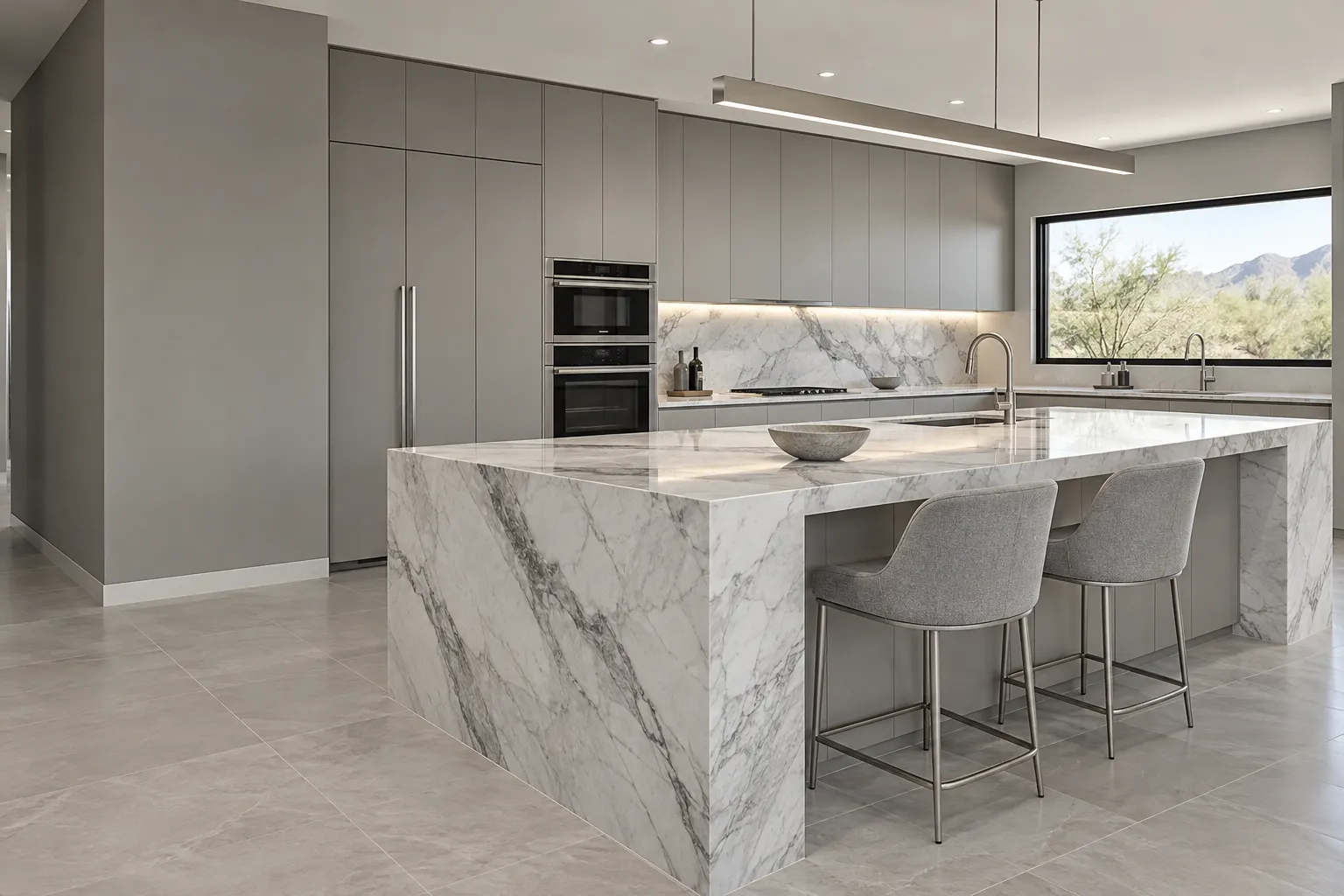
Why does cabinet quality matter for heavy storage?
Because storage only works if the box and its slides can hold what you put in them. The Kitchen Cabinet Manufacturers Association (opens in a new tab) runs the certification programs for cabinet lines, including the A161.1 Quality Certification, where KCMA says certified cabinets pass 14 tests including a 600-pound load test, and an Environmental Stewardship Program known as ESP. KCMA says between 40% and 50% of cabinets fail their first certification attempt. For a kitchen where drawers carry dishes, stand mixers and cast iron every day, that testing can matter for a drawer that still glides years later. The box and the slides share the work, so the load rating of the drawer slides matters too. Call (747) 244-3289 with questions about cabinet options for your kitchen.
06Storage
What dimensions should storage planning follow?
The National Kitchen & Bath Association publishes planning guidelines (opens in a new tab) that put numbers on the space around storage, recommending work aisles at least 42 inches wide for 1 cook and 48 inches for multiple cooks, walkways at least 36 inches wide, work triangle legs of no less than 4 feet and no more than 9 feet with the 3 legs totaling no more than 26 feet, and doorways with a clear opening of at least 32 inches. Those clearances decide how deep and how tall a storage run can go before the room stops feeling open, and whether a drawer bank can open into the space it serves. NKBA describes its guidelines (opens in a new tab) as a basis for building code compliance, consumer health and safety, and designer training.
07Storage
Is it better to plan storage during design or add it later?
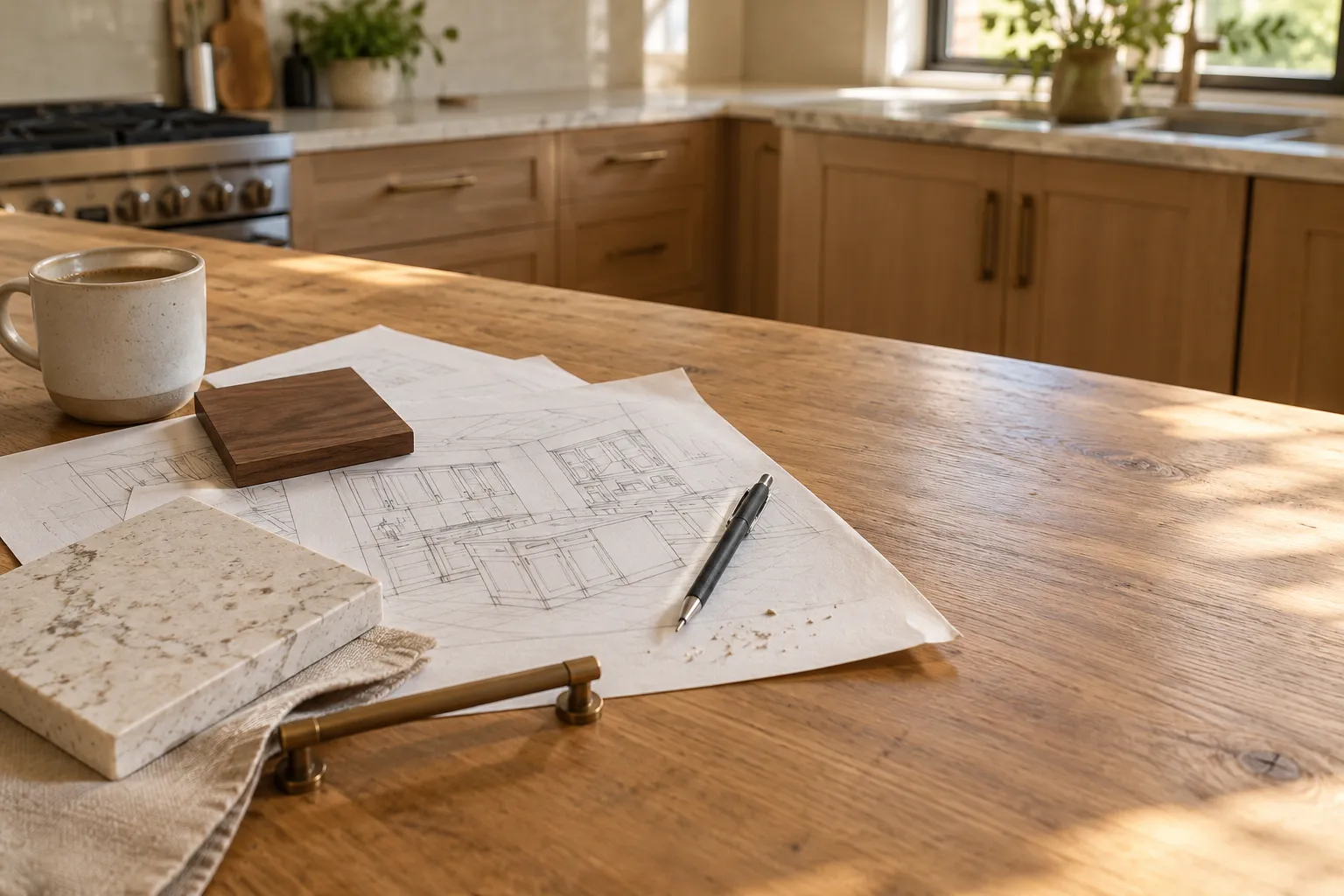
During design. An organizer built with a cabinet is made to that cabinet's exact inside dimensions, and it usually costs less than the same feature bought later as a retrofit that has to fit around hardware the box was not made for. Planning early also lets storage follow the layout: the drawer bank beside the range, the pull-out tower next to the fridge, the recycling center in the prep zone. Cabinet and millwork changes generally do not need a permit in Scottsdale, so storage work often does not wait on paperwork. The City of Scottsdale's home improvement guide (opens in a new tab) lists what does and does not need one. Retrofits can still be excellent, but they work best when the cabinet was sized for them.
08Costs
What does storage add to a kitchen remodel cost?
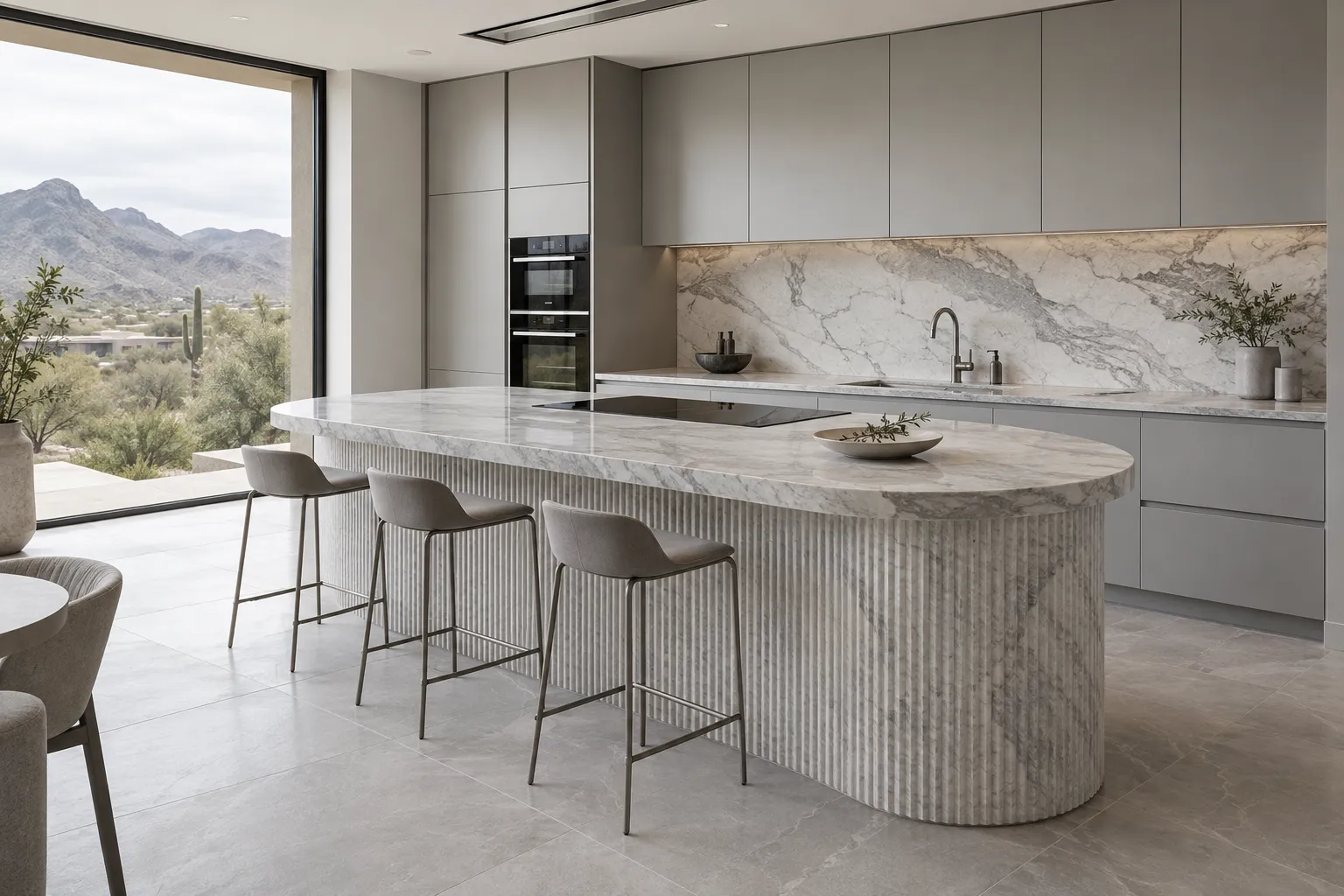
Storage rides inside the cabinet quote, so those are the lines to watch: Fixr lists cabinet installation at $4,000 to $14,000, and custom cabinet installation at 30 linear feet at $15,000 to $25,000, an average of $18,600. Per linear foot, Fixr puts stock cabinets at $100 to $300, semi-custom at $150 to $650 and custom at $500 to $1,200. A Scottsdale design firm puts custom cabinetry at $15,000 to $40,000 and up (2025). Refacing, which keeps the existing boxes, is listed at $3,000 to $13,500, an average of $8,250. Pull-outs, dividers and waste systems are quoted with the cabinets rather than as separate line items. These are published market ranges, not a quote for your kitchen; the actual price is set after an on-site assessment. The kitchen remodel cost guide gathers these lines with their sources.
09Storage
Which kitchens get the most from a storage plan?
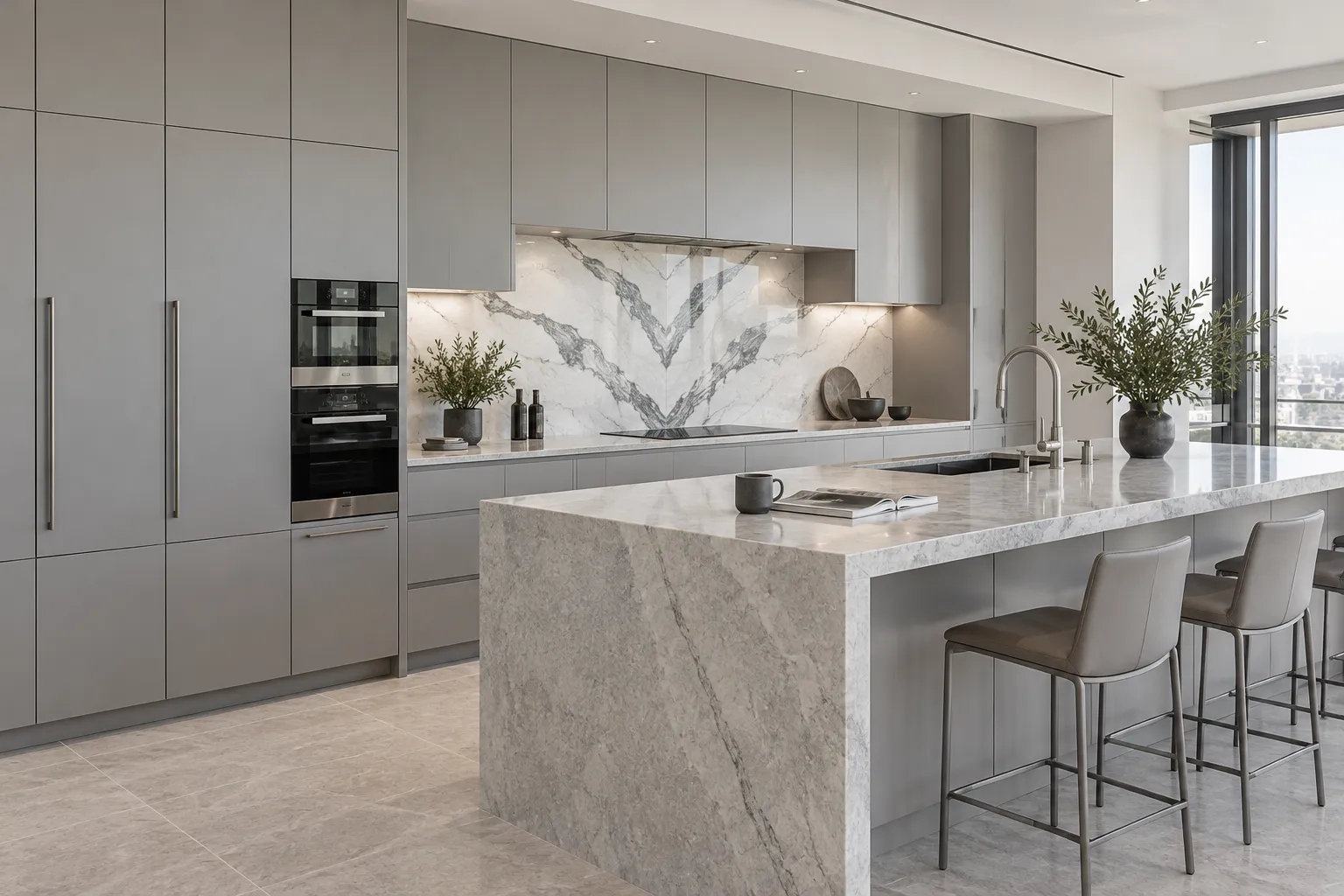
The compact ones, and the ones where the counters have become storage. An older ranch-era home in Cave Creek can have a small original kitchen where storage and flow are the main asks, and the same is true of any kitchen built before the walk-in pantry era: the room works, but nothing has a home. Kitchens with a long blank wall get the most from a pantry wall. Kitchens with a single work run get the most from drawer banks and pull-out towers beside the fridge. If the counters are covered in appliances, that is the audit talking: give each machine a home and the counters come back. The Cave Creek page covers how those ranch kitchens shape a project.
105 questions
Questions people ask
Still have a question?
Call and describe the kitchen. Calls are answered day and night.
Call (747) 244-328901What does it cost to add a pantry?
A pantry is cabinet work, so it is priced with the cabinet package. Fixr lists cabinet installation at $4,000 to $14,000, and custom cabinet installation at 30 linear feet at $15,000 to $25,000. Organizers ride inside those quotes, not on top of them. The actual price is set after an on-site assessment.
02Are pull-out shelves better than deep drawers?
Both make cabinet depth usable, from different directions. Deep drawers hold heavy stacks and open with one hand. Pull-out shelves turn a deep cabinet into shallow, visible layers and suit small appliances and oil bottles. The deciding question is what goes inside, so sort the contents first and let the hardware follow.
03Do kitchen cabinets need to be certified?
Not by law, but a seal tells you a third party tested the line. KCMA says its certified cabinets pass 14 tests, including a 600-pound load test, and that between 40% and 50% of cabinets fail their first certification attempt. If a line you like carries a certification, that is one less unknown in the kitchen.
04Do cabinet changes need a permit in Scottsdale?
Cabinets, countertops and similar millwork generally do not need a permit, per the City of Scottsdale's home improvement guide. The line moves when a project touches plumbing, electrical, mechanical work or walls, which is reviewed separately. In a larger remodel, the permit scope is set for the whole job.
05How do you keep counters from filling up with appliances?
Give every appliance a home it can return to: a garage cabinet on the counter for the daily ones, a deep drawer or a pantry shelf for the weekly ones, and a high shelf for the once-a-year machines. The storage audit is what makes that possible, and a remodel is when the homes get built.
11Keep reading
Related
- Kitchen remodel services: every service page for a Scottsdale kitchen in one place.
- Kitchen cabinets: boxes, doors and hardware that carry the storage.
- Kitchen islands: island drawers, seating and how much storage an island can hold.
- Kitchen remodel costs: published cabinet and remodel ranges with sources.
- Kitchen remodeling in Cave Creek: ranch-era kitchens where storage and flow are the main asks.